Get Fence Sealing
Fence sealing services help property owners protect and extend the life of wood, vinyl, or metal fences by preventing damage from moisture, pests, and weather.
Property owners considering fence sealing services often recognize the importance of protecting and maintaining their outdoor spaces. Proper sealing can help prevent damage from moisture, UV rays, and general wear, extending the life of fencing materials and preserving curb appeal. Whether planning a new installation or seeking to refresh an existing fence, exploring local contractor options can provide valuable insights into the best solutions for specific needs and conditions.
By comparing service providers in the area, property owners can identify experienced local contractors who specialize in fence sealing. This process allows for a better understanding of available services, techniques, and quality standards, ensuring that the chosen work aligns with long-term property maintenance goals. Continuing to explore local options can help make informed decisions for keeping fences durable and attractive.
- Residential Fence Owners - may need fence sealing services to protect their fences from weather damage and extend their lifespan.
- Property Managers - might seek fence sealing to maintain the appearance and durability of fences across multiple properties.
- New Fence Installations - often require sealing after installation to safeguard against moisture and environmental wear.
- Commercial Property Owners - may look for professional sealing to ensure fences remain secure and visually appealing over time.
- Fence Repair Customers - could need sealing services as part of restoring and preserving damaged or aged fences.
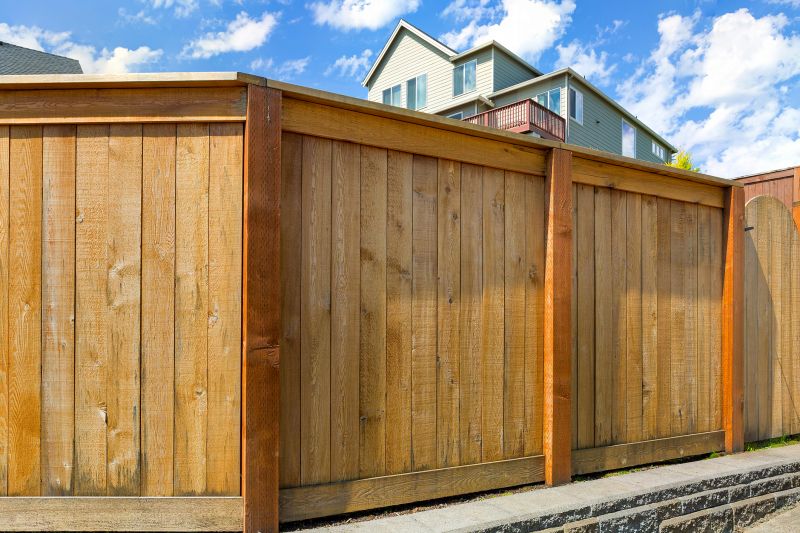
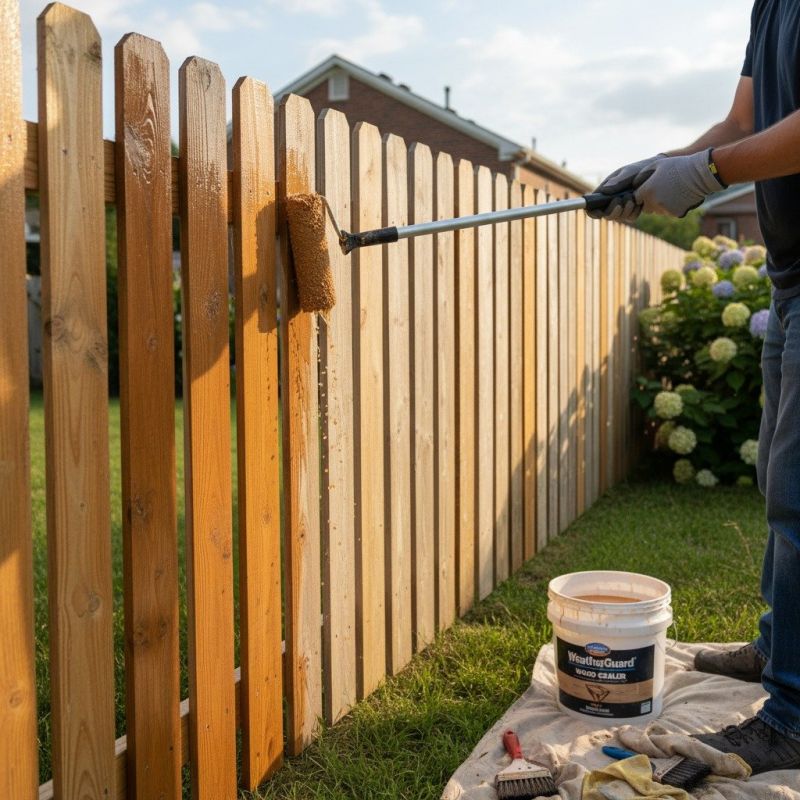

Fence sealing services involve applying a protective coating to existing fences to help preserve their appearance and structural integrity. This process typically includes cleaning the fence surface to remove dirt, mold, or old paint, followed by the application of a sealant or protective stain. The goal is to create a barrier that shields the wood, vinyl, or composite materials from moisture, UV rays, and other environmental elements that can cause deterioration over time. Proper sealing can extend the lifespan of a fence, reducing the need for frequent repairs or replacements and maintaining its visual appeal.
Sealing a fence can help solve common problems such as wood warping, cracking, and rotting caused by exposure to moisture and sunlight. Without protection, fences are vulnerable to weather-related damage that can weaken their structure and lead to costly repairs. Sealants also help prevent the growth of mold, mildew, and algae, which can stain or degrade fence materials. Homeowners who notice their fences looking faded, stained, or showing signs of wear may find that sealing restores their fence’s appearance while providing ongoing protection against the elements.
This service is frequently used on residential properties, especially in areas with harsh weather conditions or high humidity. Homeowners with wood fences often seek sealing to protect their investment and keep their yard looking well-maintained. It is also common for properties with vinyl or composite fences that have become discolored or weathered over time. Commercial properties, rental units, and community spaces with fencing may also benefit from regular sealing to preserve the fence’s durability and appearance. Essentially, any property owner wanting to extend the life of their fence and maintain its aesthetic appeal can consider fence sealing services.
Property owners typically turn to local contractors for fence sealing, as these professionals have the experience and tools necessary to perform the work effectively. Whether dealing with a small backyard fence or a larger perimeter boundary, local service providers can assess the condition of the fence and recommend the appropriate sealant or stain. Regular sealing can be an important part of ongoing fence maintenance, helping prevent damage before it becomes costly to repair. Contacting local pros ensures that the job is done correctly and efficiently, providing peace of mind that the fence will remain protected and attractive for years to come.
The overview below groups typical Fence Sealing projects into broad ranges so you can see how smaller, mid-sized, and larger jobs often compare in your area.
In many markets, a large share of routine jobs stays in the lower and middle ranges, while only a smaller percentage of projects moves into the highest bands when the work is more complex or site conditions are harder than average.
Smaller Repairs - Typical costs for minor fence sealing jobs, such as patching small areas or resealing sections, generally range from $250-$600. Many routine maintenance projects fall within this middle range, depending on the size and condition of the fence.
Standard Sealing Projects - For sealing an average-sized residential fence, local contractors often charge between $600 and $1,200. This range covers most common projects and is where many homeowners' jobs are completed.
Full Fence Sealing - Larger, more comprehensive sealing jobs, including extensive fences or multiple sections, can cost from $1,200 to $3,000. Fewer projects reach into this higher tier, which typically involves more extensive preparation and application work.
Complete Fence Replacement - When sealing is part of a full fence replacement or extensive restoration, costs can exceed $5,000. These larger projects are less common and usually involve significant labor and materials, handled by local service providers specializing in extensive work.
Actual totals will depend on details like access to the work area, the scope of the project, and the materials selected, so use these as general starting points rather than exact figures.
Deck and Patio Sealing - local contractors who specialize in sealing outdoor wooden and concrete surfaces often have skills similar to those used in fence sealing to protect surfaces from moisture and weather damage.
Concrete Surface Sealing - professionals experienced in sealing driveways and walkways utilize similar techniques and tools as fence sealing to enhance durability and appearance of concrete structures.
Wood Restoration and Preservation - service providers who restore and preserve wooden structures, such as pergolas or gazebos, apply comparable surface preparation and sealing methods used for fences.
Exterior Wood Treatment - local pros who treat and seal exterior wooden features like decks or siding share planning and application skills with fence sealing projects.
Stone and Masonry Sealing - experts working on sealing stone or brick surfaces use similar surface prep and sealing processes as those used in fence sealing to prevent staining and damage.
Garage Floor Coating - contractors applying protective coatings to garage floors employ techniques involving surface cleaning, prep, and sealing comparable to fence sealing procedures.
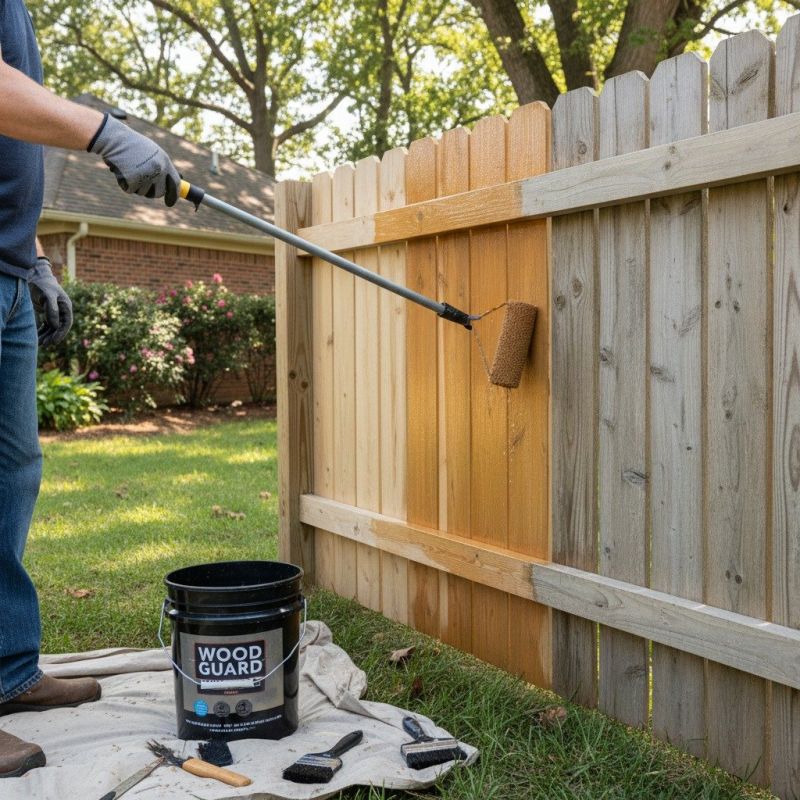
When evaluating service providers for fence sealing, it’s important to consider their experience with similar projects. Homeowners should seek out local contractors who have a proven track record of working on fences comparable in material, size, and style to their own. An experienced professional will be familiar with the specific challenges that can arise and will know how to address them effectively, helping to ensure a smooth and successful sealing process. Asking for examples of past work or references related to fence sealing can provide insight into their familiarity with such projects and their ability to deliver quality results.
Clear, written expectations are essential when comparing local pros for fence sealing services. Homeowners should look for service providers who can provide detailed descriptions of the scope of work, the materials used, and the steps involved in the sealing process. This transparency helps prevent misunderstandings and ensures that both parties are aligned on what will be done. Having a well-defined plan also makes it easier to evaluate bids and choose a contractor who clearly understands the homeowner’s needs and can deliver the desired outcome.
Good communication and reputable references are key factors to consider when selecting local contractors for fence sealing. Service providers who are responsive to inquiries and willing to answer questions demonstrate professionalism and a commitment to customer service. Additionally, seeking out references or reviews from previous clients can help gauge the contractor’s reliability and quality of work. While the site introduces homeowners to local options, it’s important to remember that the actual work will be performed by trusted local service providers who can be contacted directly to discuss project details and expectations.
Property owners use Fence Sealing services for practical projects around their homes and businesses. This guide focuses on everyday jobs and straightforward project options.
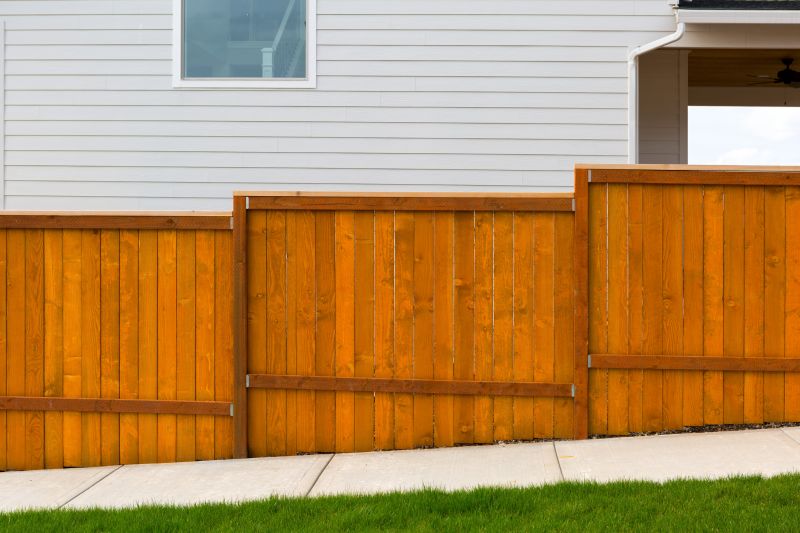
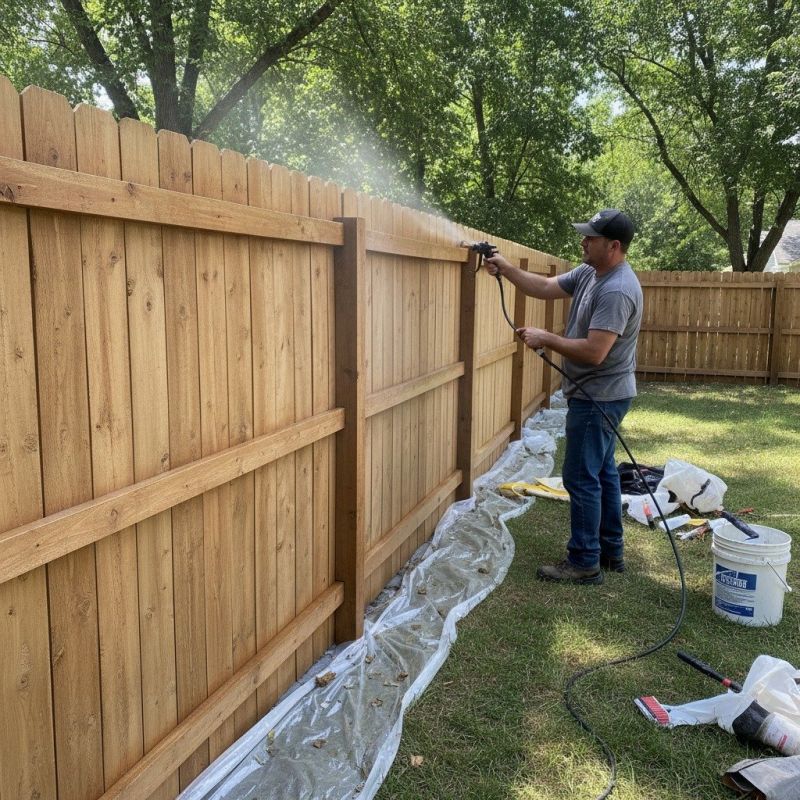
Fence sealing is a common project for property owners looking to protect their outdoor investments. Whether it's preventing wood from warping due to moisture, reducing the risk of rot, or simply enhancing the appearance of a fence, local contractors can help ensure the job is done properly. Homeowners often seek these services after noticing weather-related damage or when preparing their property for seasonal changes, aiming to extend the life of their fencing and maintain curb appeal.
Many property owners turn to local service providers for fence sealing to address issues like age-related wear, staining, or surface deterioration. Sealing can also serve as a preventative measure against pests and moisture intrusion, which can compromise the integrity of the fence over time. Connecting with experienced local contractors can make the process straightforward, helping property owners safeguard their fences and keep their outdoor spaces looking well-maintained.
Why should I seal my fence? Sealing a fence helps protect it from moisture, UV damage, and rot, extending its lifespan and maintaining its appearance.
What types of fences can benefit from sealing? Most types of wood fences, including privacy, picket, and decorative fences, can benefit from sealing to prevent damage and decay.
How often should a fence be sealed? The frequency of sealing depends on the climate and fence material, but generally, fences should be resealed every 2 to 3 years for optimal protection.
What should I consider when choosing a fence sealing service? Look for local contractors experienced in fence sealing, and ensure they use quality sealants suitable for your fence material and local weather conditions.
Can sealing improve the appearance of my fence? Yes, sealing can enhance the natural color and grain of the wood, giving your fence a fresh and well-maintained look.
Protect Wooden Fences - Applying sealant helps prevent wood rot and extends the lifespan of wooden fences in everyday weather conditions.
Maintain Vinyl Fences - Sealing can help keep vinyl fences looking new by reducing staining and buildup from dirt and debris.
Enhance Privacy and Security - Properly sealed fences can provide consistent privacy and serve as a reliable boundary for property safety.
Prepare for Seasonal Changes - Sealing fences before winter can help guard against moisture damage and harsh weather effects.
If you are thinking about Fence Sealing for a property, this guide is meant to help you understand the work, the typical project types, and how different options might fit your plans.
When you are ready, you can use the quote form on this page to share a few details about your project. From there, local pros can review the basics and respond with options that match what you have in mind.